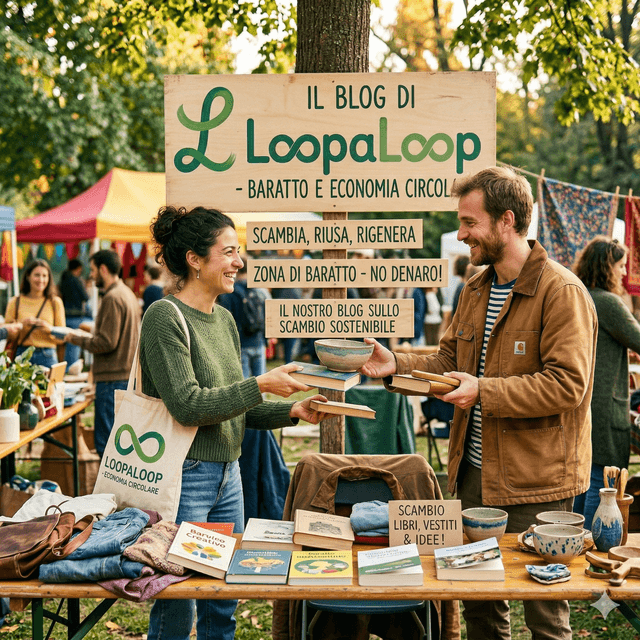
Weaving a Stronger Community: The Power of Barter and Circular Economy
Introduction to a Sustainable Future
At LoopaLoop, we believe in the strength of local communities and the impact that neighborhood exchange can have on our environment. By embracing barter, circular economy, and reuse, we can significantly reduce waste and promote sustainability. In this article, we'll delve into the benefits of these practices and how they can transform the way we live and interact with our surroundings.
The Benefits of Barter
- Community Building: Barter fosters a sense of community by encouraging direct interaction between individuals. This face-to-face exchange builds trust and strengthens neighborhood bonds.
- Economic Benefits: By exchanging goods and services without using money, individuals can acquire what they need while preserving their financial resources. This is particularly beneficial for those on a tight budget.
- Environmental Impact: Barter and reuse directly contribute to reducing waste. When we give a new life to used items, we decrease the demand for new, resource-intensive products, thereby lowering our ecological footprint.
Embracing Circular Economy
The Ellen MacArthur Foundation has been a pioneer in promoting the circular economy. This economic model is designed to be regenerative and restorative by design. It aims to keep resources in use for as long as possible, extracting the maximum value from them, and then recovering and regenerating materials at the end of each product's life cycle. By adopting circular economy principles, we can significantly reduce waste and the continuous consumption of new resources.
Living Without Waste in the City
Cities are hubs of consumption and waste generation. However, by adopting critical consumption habits and opting for reuse over buying new, we can make a significant difference. Platforms like LoopaLoop, with its listings, especially in categories such as Electronics, provide a convenient way to find and exchange used goods, reducing electronic waste.
Technology and Humanity: Connecting to Exchange
Technology plays a crucial role in facilitating barter and circular economy practices. Online platforms connect individuals across neighborhoods, making it easier to find, exchange, and reuse goods. This blend of technology and humanity helps in creating a more sustainable and interconnected community.
Conclusion
The journey towards a more sustainable future is a collective one. By supporting local communities through neighborhood exchange, embracing circular economy principles, and making conscious choices to live without waste, we can create a significant positive impact on our environment. Organizations like Greenpeace UK and Keep Britain Tidy are working tirelessly to raise awareness about environmental issues and promote sustainable living. As we move forward, let's remember that every small action counts, and together, we can achieve a more sustainable and ecological way of living. Start your journey today by exploring our listings and becoming part of a community that values the planet and its resources.
LoopaLoop Content Engine v1.0 • Sustainable Reading